Sunlight, supplements, and the facts in between.
The Comprehensive Benefits of Vitamin D for Women's Health
Discover the comprehensive benefits of vitamin D for women's health, including bone strength, immune support, and mental well-being.


Vitamin D, often referred to as the "sunshine vitamin," is a fat-soluble nutrient that plays a pivotal role in maintaining overall health, particularly for women. Unlike many other vitamins, vitamin D can be synthesized by the body when the skin is exposed to sunlight, making it unique among essential nutrients. However, despite its availability through sun exposure, many individuals, especially women, find themselves deficient due to various factors such as lifestyle, geographic location, and dietary habits. The importance of vitamin D extends far beyond its well-known role in promoting bone health. It is crucial for the proper functioning of the immune system, supports cardiovascular health, and even influences mood regulation.
For women, adequate levels of vitamin D are particularly vital during different life stages, including pregnancy and menopause. Research has shown that vitamin D deficiency can lead to a range of health issues, including osteoporosis, increased risk of infections, and even mood disorders like depression. Understanding the multifaceted benefits of vitamin D is essential for women seeking to optimize their health. This nutrient not only aids in calcium absorption but also plays a role in cellular growth and repair. Furthermore, emerging studies suggest that vitamin D may have protective effects against certain chronic diseases, making it an indispensable component of a balanced diet.
As we delve deeper into the specific vitamin D benefits for women's health, it becomes clear that ensuring adequate intake is not just beneficial but necessary for long-term wellness.
Sources of Vitamin D: How to Get Enough
Vitamin D is essential for maintaining optimal health, particularly for women, who may face unique challenges in achieving adequate levels. Understanding the various sources of vitamin D is crucial for ensuring that you meet your daily requirements.Sunlight Exposure
The most natural and effective way to obtain vitamin D is through sunlight exposure. When your skin is exposed to UVB rays from the sun, it synthesizes vitamin D. Ideally, spending about 10 to 30 minutes in the sun several times a week can help maintain sufficient levels.
However, factors such as geographic location, skin tone, and time of year can significantly affect how much vitamin D your body produces. For instance:
- People living in northern latitudes may struggle to get enough sunlight during the winter months.
- Individuals with darker skin have more melanin, which can reduce the skin's ability to produce vitamin D.
- Age also plays a role; older adults may have a decreased capacity to synthesize vitamin D from sunlight.
Dietary Sources of Vitamin D
While sunlight is a primary source, dietary intake is also vital for those who may not get enough sun exposure. Here are some excellent food sources of vitamin D:
- Fatty Fish: Salmon, mackerel, and sardines are among the richest sources of vitamin D.
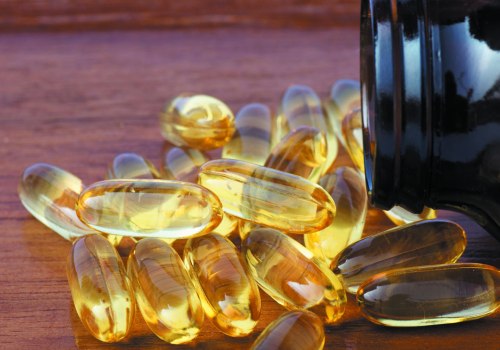
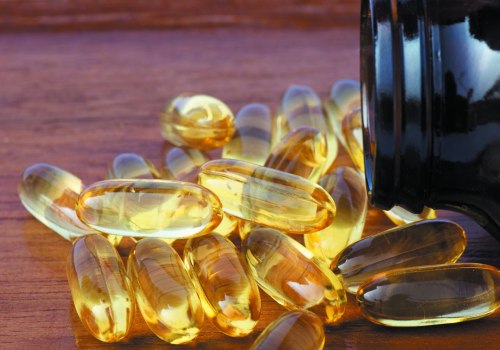
- Cod Liver Oil: This supplement is packed with vitamin D and omega-3 fatty acids. This supplement is packed with vitamin D and omega-3 fatty acids.
- Fortified Foods: Many dairy products, orange juice, and cereals are fortified with vitamin D to help individuals meet their needs.
- Egg Yolks: A good source of vitamin D, though they should be consumed in moderation due to cholesterol content.
Supplements
If you find it challenging to get enough vitamin D from sunlight and food sources, supplements can be an effective alternative. Vitamin D3 (cholecalciferol) is generally recommended over vitamin D2 (ergocalciferol) because it is more effective at raising blood levels of the vitamin.
Before starting any supplement regimen, it’s advisable to consult with a healthcare provider to determine the appropriate dosage based on individual health needs. In summary, achieving adequate levels of vitamin D involves a combination of sunlight exposure, dietary intake from various food sources, and possibly supplementation. By being mindful of these sources, women can better support their overall health and well-being.
The Role of Vitamin D in Bone Health
Vitamin D plays a pivotal role in maintaining bone health , particularly for women who are more susceptible to bone-related issues as they age. One of the primary functions of vitamin D is to enhance the body’s ability to absorb calcium, a mineral that is essential for building and maintaining strong bones. Calcium absorption occurs primarily in the intestines, and without adequate levels of vitamin D, the body struggles to absorb this crucial nutrient effectively. Studies have shown that vitamin D deficiency can lead to decreased calcium absorption, which may result in lower bone mineral density and an increased risk of fractures. For women, the importance of vitamin D becomes even more pronounced during menopause, a time when estrogen levels decline.Estrogen is known to protect bone density, and its reduction can lead to accelerated bone loss. This makes women particularly vulnerable to conditions such as osteoporosis , a disease characterized by weak and brittle bones. Research indicates that adequate vitamin D levels can help mitigate this risk by promoting calcium absorption and supporting overall bone health. To further illustrate the connection between vitamin D and bone health, consider the following:
- Bone Density: Sufficient vitamin D levels are associated with higher bone mineral density, which is crucial for preventing osteoporosis.
- Fracture Risk: Women with low vitamin D levels are at a greater risk of experiencing fractures, especially hip fractures, which can have serious consequences for mobility and quality of life.
- Calcium Regulation: Vitamin D helps regulate calcium levels in the blood, ensuring that bones receive the necessary nutrients for strength and resilience.
Additionally, safe sun exposure can also help the body produce this vital nutrient naturally. In conclusion, understanding the benefits of vitamin D for bone health is essential for women, especially those at risk for osteoporosis. By ensuring adequate intake of this nutrient, women can take proactive steps toward preserving their bone strength and overall health as they age.
Vitamin D and Immune Function: A Key Connection
Vitamin D plays a crucial role in supporting the immune system , acting as a modulator that helps maintain a balanced immune response. This vitamin is not just essential for bone health; it also influences various immune functions, making it a vital nutrient for overall health. Research has shown that adequate levels of vitamin D can enhance the pathogen-fighting effects of monocytes and macrophages—white blood cells that are integral to the immune response. These cells are responsible for engulfing and destroying harmful pathogens, thus reducing the risk of infections.A deficiency in vitamin D may impair these immune cells' ability to function effectively, leaving individuals more susceptible to illnesses. Moreover, vitamin D is known to play a role in reducing the risk of autoimmune diseases. Autoimmune conditions occur when the immune system mistakenly attacks healthy cells in the body. Studies suggest that sufficient vitamin D levels may help regulate immune responses and prevent the onset of such diseases by promoting tolerance to self-antigens. In addition to its protective effects against autoimmune diseases, vitamin D has been linked to a lower incidence of respiratory infections. For instance, a meta-analysis indicated that individuals with higher levels of vitamin D had a significantly reduced risk of developing acute respiratory infections.
This is particularly relevant during cold and flu seasons when maintaining optimal vitamin D levels can be beneficial. To ensure adequate vitamin D intake, consider incorporating foods rich in this nutrient into your diet, such as:
- Fatty fish (like salmon and mackerel)
- Egg yolks
- Mushrooms exposed to sunlight
- Fortified foods (such as milk and cereals)
Mental Health Benefits of Vitamin D for Women
Vitamin D is often recognized for its physical health benefits, but its impact on mental health is equally significant, particularly for women. Research has increasingly highlighted the connection between vitamin D levels and various mental health conditions, including depression and anxiety.Understanding this relationship can empower women to take proactive steps in managing their mental well-being. One of the most compelling aspects of vitamin D's role in mental health is its potential to alleviate symptoms of depression. Studies have shown that individuals with low levels of vitamin D are more likely to experience depressive symptoms. This correlation suggests that maintaining adequate vitamin D levels may be a crucial factor in preventing or managing depression. Moreover, vitamin D is believed to influence the production of neurotransmitters, such as serotonin, which play a vital role in mood regulation. Serotonin is often referred to as the "feel-good" hormone, and its proper functioning is essential for emotional stability.
When vitamin D levels are sufficient, the body can produce serotonin more effectively, potentially leading to improved mood and reduced feelings of sadness. In addition to its role in depression, vitamin D may also help mitigate anxiety symptoms. Some studies indicate that women with higher levels of vitamin D report lower levels of anxiety. This could be attributed to the nutrient's ability to modulate the body's stress response and promote a sense of calm. For women who are particularly vulnerable to mood disorders—such as those experiencing hormonal fluctuations during pregnancy or menopause—ensuring adequate vitamin D intake can be especially beneficial. It is essential for these women to monitor their vitamin D levels and consider supplementation if necessary. In conclusion, the mental health benefits of vitamin D are becoming increasingly recognized in scientific literature.
By understanding the link between vitamin D and mental well-being, women can take informed steps towards enhancing their overall health. Regular exposure to sunlight, dietary sources rich in vitamin D, and appropriate supplementation can all contribute to maintaining optimal levels of this vital nutrient, ultimately supporting better mental health outcomes.
Vitamin D's Impact on Hormonal Balance
Vitamin D plays a crucial role in maintaining hormonal balance in women, particularly during significant life stages such as menopause. As women age, hormonal fluctuations can lead to various health challenges, including mood swings, weight gain, and decreased bone density. Understanding how vitamin D influences these hormonal changes is essential for promoting overall well-being. One of the primary ways vitamin D affects hormonal health is through its interaction with the endocrine system.This vitamin acts as a hormone itself and is involved in the regulation of several key hormones, including estrogen and progesterone. Adequate levels of vitamin D can help maintain optimal levels of these hormones, which are vital for reproductive health and overall hormonal equilibrium.
Vitamin D and Menopause
During menopause, women experience a natural decline in estrogen production, which can lead to symptoms such as hot flashes, night sweats, and mood disturbances. Research suggests that vitamin D may help mitigate some of these symptoms by supporting estrogen metabolism. A study published in the Journal of Clinical Endocrinology & Metabolism found that women with higher levels of vitamin D experienced fewer menopausal symptoms compared to those with lower levels. Moreover, vitamin D's role in calcium absorption is particularly important during menopause.As estrogen levels drop, the risk of osteoporosis increases due to decreased calcium retention. Vitamin D helps ensure that calcium is effectively absorbed in the body, thereby supporting bone health and reducing the risk of fractures.
Hormone Regulation Beyond Menopause
The benefits of vitamin D extend beyond menopause. It has been linked to the regulation of insulin and thyroid hormones as well. Insulin resistance can lead to weight gain and increase the risk of type 2 diabetes, conditions that are often exacerbated during hormonal changes.By maintaining adequate vitamin D levels, women may improve their insulin sensitivity and support healthy metabolic function. In addition to its direct effects on hormone regulation, vitamin D also influences mood-related hormones such as serotonin. Low levels of vitamin D have been associated with an increased risk of depression and anxiety, particularly in women experiencing hormonal changes. Ensuring sufficient vitamin D intake can thus play a role in enhancing mood stability and emotional well-being. In conclusion, maintaining optimal levels of vitamin D is essential for women's hormonal health throughout their lives, especially during menopause. By supporting hormone regulation and mitigating menopausal symptoms, vitamin D contributes significantly to overall health and quality of life.
How Much Vitamin D Do Women Need?
Understanding the appropriate levels of vitamin D intake is crucial for women, as it plays a significant role in various aspects of health, including bone density, immune function, and overall well-being.The recommended daily intake of vitamin D can vary based on several factors, including age, health status, and lifestyle. According to the Institute of Medicine , the following guidelines are recommended for daily vitamin D intake:
- Women aged 19-50: 600 IU (15 mcg)
- Women aged 51-70: 600 IU (15 mcg)
- Women over 70: 800 IU (20 mcg)
Health Conditions Impacting Vitamin D Needs
Women with certain health conditions may require higher doses of vitamin D. For instance:
- Osteoporosis: Women at risk for osteoporosis may need higher doses to support bone health.
- Pregnancy and Breastfeeding: Pregnant and breastfeeding women are often advised to increase their intake to support fetal development and lactation.
- Chronic Illnesses: Conditions such as obesity or gastrointestinal disorders can affect vitamin D absorption, necessitating higher intake levels.
Sources of Vitamin D
The body primarily synthesizes vitamin D through sunlight exposure; however, dietary sources are also important. Foods rich in vitamin D include:
- Fatty fish (such as salmon and mackerel)
- Egg yolks
- Fortified foods (like milk, orange juice, and cereals)
Regular blood tests can help monitor your levels and ensure you are within the recommended range.
Supplementing with Vitamin D: Best Practices
When considering vitamin D supplements, it’s essential to understand the various forms available and how to use them effectively. Vitamin D can be found in two primary forms: vitamin D2 (ergocalciferol) and vitamin D3 (cholecalciferol). While both forms can help raise vitamin D levels in the body, research suggests that vitamin D3 is more effective at increasing and maintaining adequate levels of this vital nutrient. Before starting any supplementation, it’s advisable to consult with a healthcare provider. They can recommend appropriate dosages based on individual health needs, lifestyle factors, and existing medical conditions.Here are some best practices for supplementing with vitamin D:
- Choose the Right Form: Opt for vitamin D3 supplements, as they are generally more effective than D2 in raising blood levels of vitamin D.
- Consider Your Diet: If you consume fortified foods or fatty fish regularly, you may need a lower dose of supplements. Assess your dietary intake to avoid excessive consumption.
- Timing Matters: Taking vitamin D with a meal that contains fat can enhance absorption. Consider taking your supplement during breakfast or lunch.
- Monitor Your Levels: Regular blood tests can help track your vitamin D levels. This is particularly important if you have risk factors for deficiency or are taking high doses of supplements.
- Start Low and Go Slow: If you’re new to supplementation, begin with a lower dose and gradually increase it as needed, based on your healthcare provider's advice.
The upper limit for adults is generally considered to be 4,000 IU per day; however, some individuals may require higher doses under medical supervision. In summary, supplementing with vitamin D can offer numerous health benefits for women, but it’s crucial to do so thoughtfully. By following these best practices and consulting with a healthcare professional, you can ensure that you are meeting your vitamin D needs safely and effectively.
<strong>Conclusion</strong>: Embracing the Benefits of Vitamin D for Women's Health
In conclusion, the significance of vitamin D benefits for women's health cannot be overstated. Throughout this article, we have explored the multifaceted roles that vitamin D plays in maintaining optimal health, particularly for women. From supporting bone density to enhancing immune function, the advantages of adequate vitamin D levels are profound and far-reaching. Women, in particular, face unique health challenges that can be mitigated by ensuring sufficient vitamin D intake.For instance, during pregnancy and lactation, the demand for vitamin D increases significantly to support fetal development and maternal health. Additionally, as women age, the risk of osteoporosis and other bone-related issues escalates, making it crucial to prioritize vitamin D for maintaining bone strength and overall skeletal health. Moreover, emerging research suggests that vitamin D may play a role in mood regulation and mental health. With conditions such as depression and anxiety affecting many women, ensuring adequate levels of this vital nutrient could be a simple yet effective strategy to enhance emotional well-being. To harness the full spectrum of vitamin D benefits, it is essential to adopt a proactive approach. This includes:
- Regular Sun Exposure: Aim for safe sun exposure to stimulate natural vitamin D production in the skin.
- Dietary Sources: Incorporate foods rich in vitamin D, such as fatty fish, fortified dairy products, and egg yolks into your diet.
- Supplementation: Consider vitamin D supplements if dietary intake and sun exposure are insufficient, especially during winter months or for those living in northern latitudes.
- Regular Testing: Consult with healthcare providers to monitor vitamin D levels through blood tests and adjust intake accordingly.
By prioritizing this essential nutrient, women can enhance their overall well-being and reduce the risk of various health issues. As we continue to learn more about the importance of vitamin D, let us commit to making informed choices that support our health throughout all stages of life.